Overcoming Aches Through Gentle Activity
Experiencing chronic discomfort often leads individuals to avoid physical exertion, fearing that exercise might exacerbate their symptoms. This protective response makes sense initially, as resting an injured area allows it to heal. Over time, however, prolonged inactivity can have the opposite effect, causing muscles to weaken, joints to stiffen, and the body to become more susceptible to injury. Escaping this pattern requires a deliberate approach to reintroducing motion. When people gradually incorporate mild physical exertion into their schedules, they can restore mobility and reduce overall discomfort safely.
Breaking The Cycle: Overcoming Aches And Pains Through Gentle Activity
The human body is fundamentally designed for regular movement, relying on consistent physical engagement to maintain optimal joint health. When a person limits their activity due to fear of pain, surrounding tissues adapt to this lack of use by becoming tighter. This physical deconditioning means that minor everyday tasks can suddenly feel overwhelming or trigger unexpected soreness. The nervous system also becomes hyper-sensitive, amplifying pain signals and creating a psychological barrier that further discourages active participation. Recognising this biological feedback loop is the first step toward recovery.
Understanding the physiological response
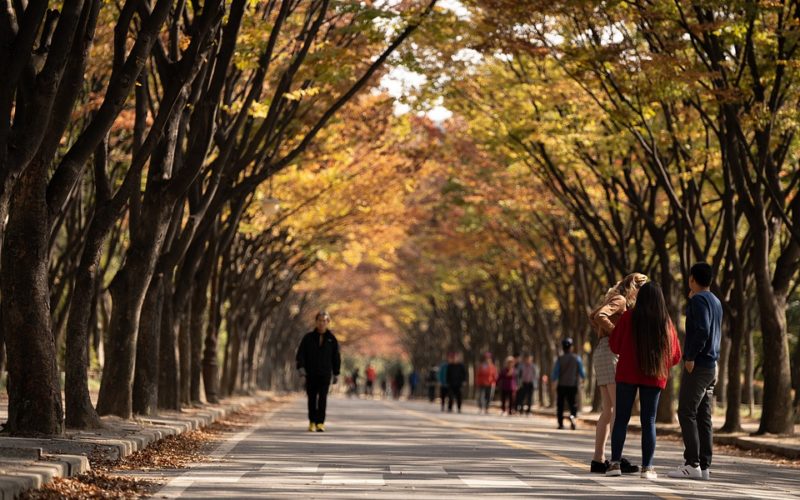
Breaking out of this physical stagnation does not require an immediate return to high-intensity workouts. Instead, the focus should remain on gentle, low-impact movements that encourage blood flow and joint lubrication without placing undue stress on sensitive areas. Activities such as leisurely walking, water aerobics, or basic stretching can gently coax the body back into a state of functional mobility. These low-intensity exercises help to nourish the cartilage and reduce inflammation, slowly rebuilding the foundation of strength lost during extended rest. The goal is consistency and comfort.
Water-based exercises offer a particularly supportive environment for individuals struggling with severe joint stiffness or muscular soreness. The natural buoyancy of water supports the body's weight, significantly reducing the downward pressure exerted on the spine, hips, and knees. This unique resistance allows for a full range of motion that might otherwise be impossible on dry land. Regular participation in aquatic therapy or simple pool walking can drastically improve muscular endurance. Furthermore, the hydrostatic pressure of the water aids in reducing swelling, making it an ideal starting point.
Pacing yourself for long-term success
A common pitfall when reintroducing exercise is the tendency to push too hard on days when symptoms feel less severe. This overexertion frequently leads to a significant flare-up, forcing the individual back into a state of prolonged rest and reinforcing the negative association with physical activity. To prevent this boom-and-bust cycle, experts recommend following a strict pacing programme. This strategy involves setting a manageable baseline of daily activity that remains constant. By maintaining a steady routine, the body can adapt gradually without triggering an acute inflammatory response.
Listening to the body's subtle cues is crucial during this rehabilitation process, as it allows individuals to distinguish between the healthy fatigue of recovering muscles and the sharp signs of actual injury. Mild soreness that dissipates within a day is generally an indicator that the body is adapting to new demands. Conversely, lingering pain requires an immediate reassessment of the chosen activity level. Keeping a detailed daily log of movements and corresponding sensations can help identify specific triggers and highlight long-term progress that might otherwise go unnoticed.
Embracing a more active future
Ultimately, the journey toward overcoming physical discomfort is a gradual process that requires immense patience, self-compassion, and a willingness to adapt. Reclaiming mobility is not about achieving athletic perfection, but rather about restoring quality of life and regaining the confidence to participate in everyday activities. As strength and flexibility slowly return, the psychological barriers associated with chronic aches will naturally begin to diminish. By committing to a sustainable routine of gentle movement, anyone can break free from the constraints of inactivity and move toward a healthier future.